Blog ·
How many people died in World War II?
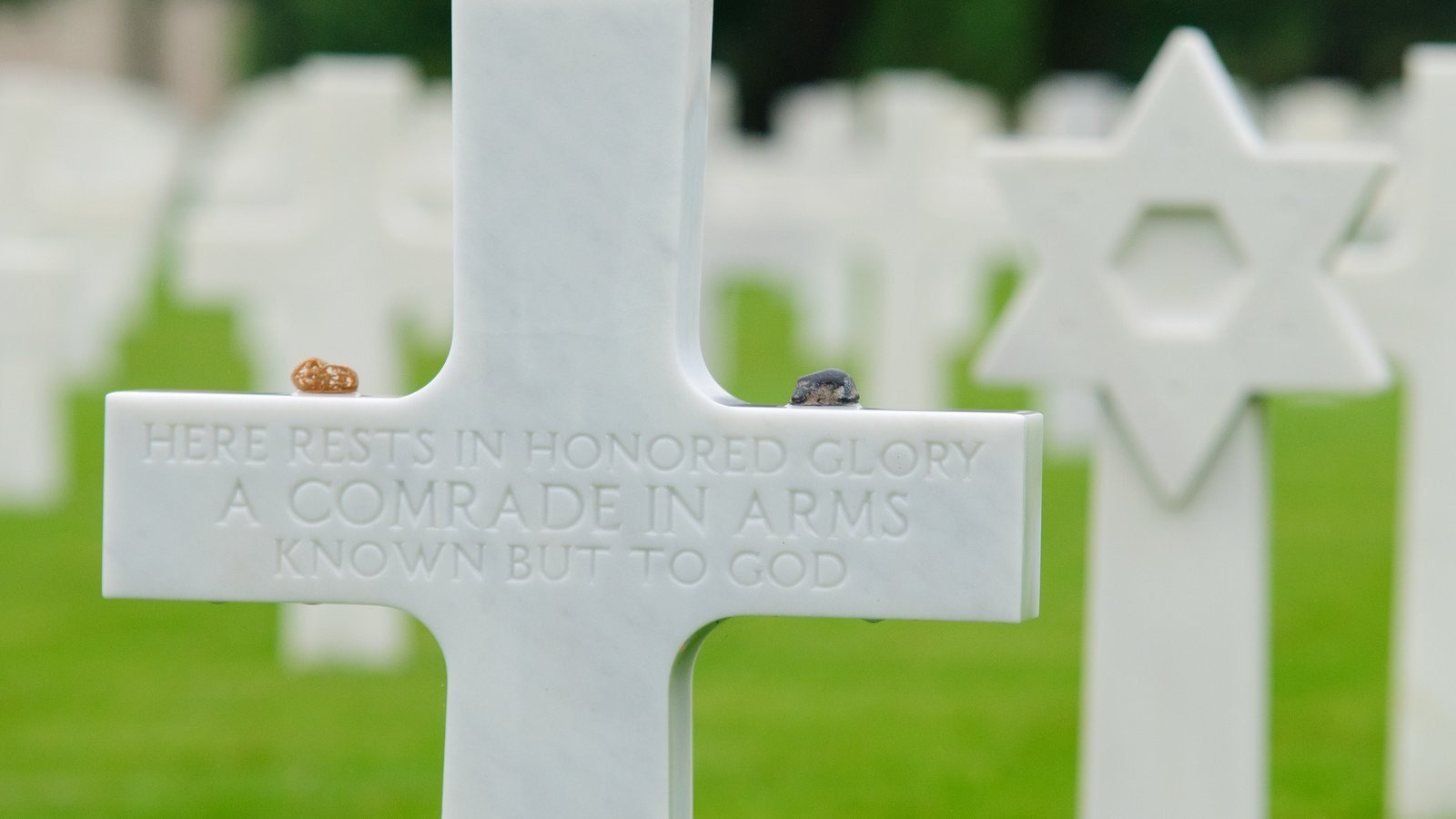

World War II killed somewhere around 60 to 75 million people, most of them civilians, which makes it the deadliest conflict in history. The National WWII Museum puts it at about 15 million battle deaths and 45 million civilian deaths, and Wikipedia's article on the war's casualties gives 60 to 75 million, about 3% of the world's population in 1940. Nobody knows the exact number, and the honest answer is a range. Britannica's article puts it lower still, and the reasons the estimates differ say a lot about the war itself. Our page on World War II covers the whole war with its sources.
Why is there no exact number?
Because for most of the countries that lost the most people, nobody was in a position to count. Britannica's article on the costs of the war says it plainly: "The statistics on World War II casualties are inexact." Only for the United States and the British Commonwealth, it says, can official figures for the armed forces be cited "with any degree of assurance." Everywhere else there are only estimates.
Britannica gives the reasons. Record keeping broke down when whole armies surrendered or scattered. Borders moved after the war, populations fled or were expelled, and guerrilla fighting left no reliable rolls. Civilians died from bombing, massacres, disease and famine as well as in battle, and those deaths are harder still to count. Above all, it says, "there are no reliable figures for the casualties of the Soviet Union and China," the two countries where the losses were greatest.
Why do the estimates range so widely?
Mostly because of the Soviet Union and China, and because estimates have been revised as new records came out.
| Source | Estimated deaths |
|---|---|
| Britannica | 35 million to 60 million |
| The National WWII Museum | about 60 million (15 million battle deaths, 45 million civilian deaths) |
| Wikipedia | 60 million to 75 million, including deaths from deprivation, famine and disease |
The Soviet figure is the clearest example of how much the count has moved. Britannica's country table uses 18 million Soviet dead, which it calls "a compromise estimate," adding that Soviet casualties were "in reality, unknown in the West." The Soviet Union itself long played its losses down: in November 1941 Stalin announced that 350,000 Red Army soldiers had been killed in the first four months of the war, a large underestimate, as the Russian news site Meduza recounts. Meduza traces today's standard figure to Mikhail Gorbachev, who cited 26.6 million in a report on May 8, 1990, drawn from a study by Soviet statisticians, university researchers and the Defense Ministry. About 27 million is now the figure Russian officials use. The gap between 18 million and 27 million alone is about nine million people, which goes a long way to explain why newer totals run higher than older ones.
China is even less certain. The National WWII Museum lists 20 million Chinese dead, military and civilian, but notes that "the number of civilian deaths in China alone might well be more than 50,000,000." Britannica's table leaves China's total blank, and says a figure of 22 million civilian deaths that appears in some compilations is "of doubtful accuracy."
Which countries lost the most people?
The table below gives the National WWII Museum's estimates of military and civilian deaths together. They are rounded estimates, and other sources differ, sometimes by millions.
| Country | Estimated deaths, military and civilian |
|---|---|
| Soviet Union | 24,000,000 |
| China | 20,000,000 |
| Germany | 6,600,000 to 8,800,000 |
| Poland | 5,600,000 |
| Japan | 2,600,000 to 3,100,000 |
| United Kingdom | 450,700 |
| United States | 418,500 |
Counted against population, the heaviest losses were in Eastern Europe. Britannica says Poland "lost perhaps 20 percent of its prewar population," and Yugoslavia and the Soviet Union around 10%. The United States, by contrast, lost very few civilians: the museum counts 416,800 American military deaths out of its total of 418,500.
How many died in the Holocaust?
The Holocaust is part of the civilian toll. The United States Holocaust Memorial Museum puts the number of Jews murdered at six million. Its estimates for other victims of Nazi persecution include:
- about 3.3 million Soviet prisoners of war
- about 1.8 million non-Jewish Polish civilians
- at least 250,000 and possibly as many as 500,000 Roma
- 250,000 to 300,000 people with disabilities, including at least 10,000 children
These figures overlap with the national totals above. Britannica's civilian figure for Poland, for example, includes 3,200,000 Jews, who are also among the six million.
Why are civilians most of the dead?
Because the war was fought over and among cities and villages, and because killing civilians was, for some governments, a goal in itself. Britannica lists the causes: land battles, bombing from the air, "political and racial executions," disease and famine brought on by the war, and the sinking of ships. It concludes that civilian deaths "probably exceeded battle casualties." By the museum's figures, civilians were about three in every four of the dead.
What is the best short answer?
If you need one number, "about 60 to 75 million, most of them civilians" is the range most widely quoted today, and the Wikipedia article cites three books on the war for it. Lower figures, such as Britannica's 35 to 60 million, rest on older estimates for the Soviet Union and China. Whatever the figure, it is an estimate, and many of the dead, like the soldier under the cross in the image above, were never identified at all. For how the war began and ended, and how it grew out of World War I, see our page on World War II.
More from the blog
 How many copies did Thriller sell?Guinness World Records puts Michael Jackson's Thriller at more than 67 million copies worldwide, and the RIAA has certified 34 million units in the US. Why the figures differ, and why some say 70 or 100 million.
 How many prime ministers did Elizabeth II have?Fifteen UK prime ministers served under Queen Elizabeth II, from Winston Churchill in 1952 to Liz Truss in 2022. Here is the full list, how the count works, and why some sources say 14.
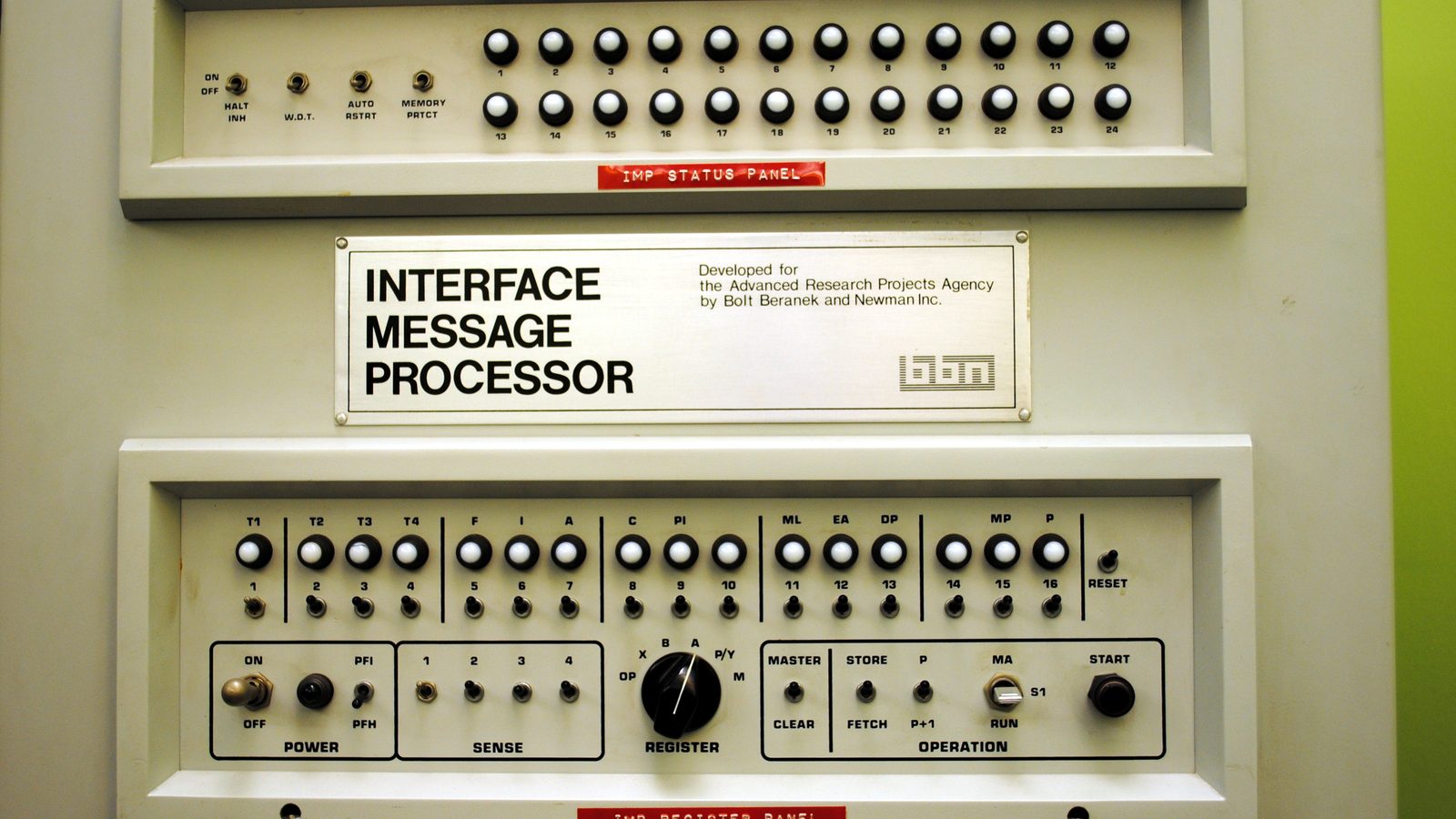 Who invented the internet?No single person did. Vint Cerf and Bob Kahn designed TCP/IP, the protocols that make it work, on ideas from Licklider, Kleinrock, Baran and Davies. Tim Berners-Lee invented the Web, which is something else. Here is who did what, with the sources.