Blog ·
When will the Roman Space Telescope release its first images?
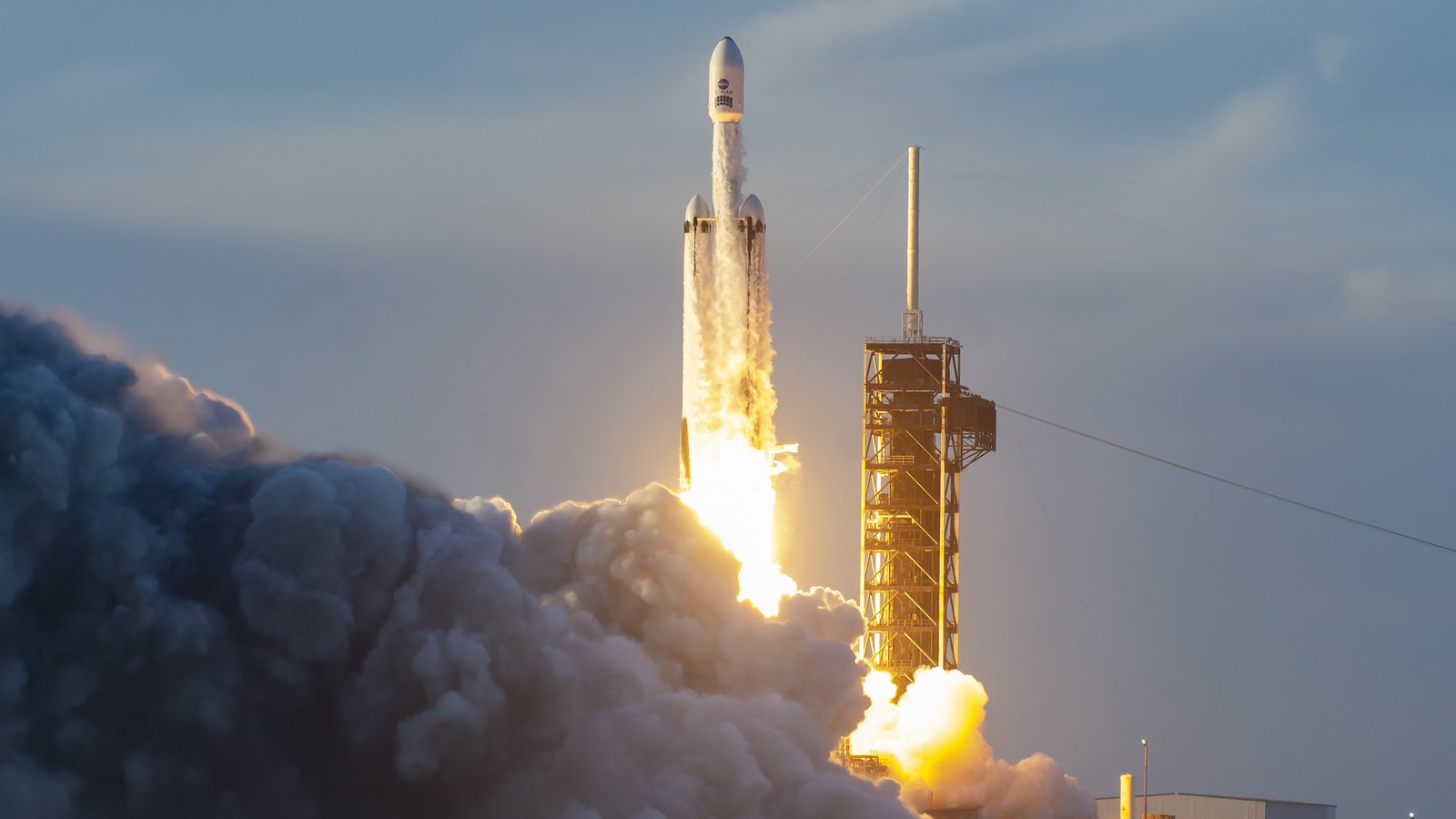

NASA expects to release the first science images from the Nancy Grace Roman Space Telescope by early 2027. Roman launched on Aug 30, 2026 and has already sent back test images, but those are checks of the instruments, not the science release. As of late October 2026, it is in its final round of checks before science begins.
What exactly has NASA promised?
A season, not a day. In its nine things to know before launch, NASA says the team will spend the three months after launch on deployments, calibrations and tests, that science operations begin after that commissioning with the release of the first science images, and that it expects to share them by early 2027.
Press reports are a little more specific. Scientific American reported on Sep 18, 2026 that the first images are expected around the holiday season, with science operations scheduled to begin in January 2027. We found no NASA page that names that holiday timing, so treat "by early 2027" as the official answer and anything sooner as a hope.
Hasn't Roman already taken images?
Yes, but not the kind NASA means by "first images." Within weeks of launch, the main camera, the Wide Field Instrument, recorded what Scientific American described as a test image of the very first starlight to reach it, taken while the instrument was still in preliminary setup and the telescope was still cooling.
Since then the tests have gone well. On Oct 14, 2026, NASA reported that after the team moved the secondary mirror by about one-sixteenth of the width of a human hair, the Wide Field Instrument's optics had an error of just 63 nanometers RMS, and its performance was nearly 30% better than the team had predicted.
Where is Roman now, and what is left to do?
It is on its way to a point in space about 1 million miles from Earth, the second Sun-Earth Lagrange point (L2), where the James Webb Space Telescope also works. Wikipedia's article puts the trip at about 100 days, which means arriving in early December 2026. We did not find that date on a NASA page, so it is an estimate.
On Oct 22, 2026, NASA said Roman had entered science commissioning, the last phase. The observatory had already shown it can guide, take exposures, send its data and turn between targets. The team is now running planned test observations to calibrate the instruments and refine image quality before science operations start.
How long did Hubble and Webb take?
Roman's planned wait sits between its two best-known predecessors.
| Telescope | Launched | First images |
|---|---|---|
| Hubble | Apr 24, 1990 | "First light" released in May 1990 |
| Webb | Dec 25, 2021 | Full set revealed Jul 12, 2022 |
| Roman | Aug 30, 2026 | By early 2027, planned |
The comparison is rough, because "first image" meant different things. Hubble's was an engineering image of a star cluster, and those early images were blurry: NASA explains that its primary mirror's edges were too flat by 0.003 mm. Webb's July 2022 release was a planned showcase after months of commissioning. Roman's promised release is the Webb kind.
What will Roman look at once science begins?
Mostly three large surveys, which NASA expects to use most of Roman's observing time in its first five years:
- High-Latitude Wide-Area Survey (about 17 months): maps more than 5,000 square degrees of sky to study why the universe's expansion is speeding up.
- Galactic Bulge Time-Domain Survey (about 15 months): watches the crowded center of our galaxy for microlensing, aiming to find more than 1,000 planets on wide orbits and more than 100,000 planets that pass in front of their stars.
- High-Latitude Time-Domain Survey (about 6 months): measures the expansion history of the universe with Type Ia supernovae.
About a quarter of the time goes to other surveys chosen by competition. We did not find a NASA statement of which survey comes first, or what the first release will show.
Will anyone be able to see Roman's data?
Yes. NASA says Roman's data will be made public as soon as it is processed.
For the instruments, the mission's history and its cost, see our page on the Nancy Grace Roman Space Telescope.
More from the blog
 How did Patrick Stewart die?Sir Patrick Stewart died at home in Los Angeles on Wednesday, Oct 28, 2026, aged 86, after Alzheimer's disease and Lewy body dementia. What those conditions are, his life in brief, and the tributes.
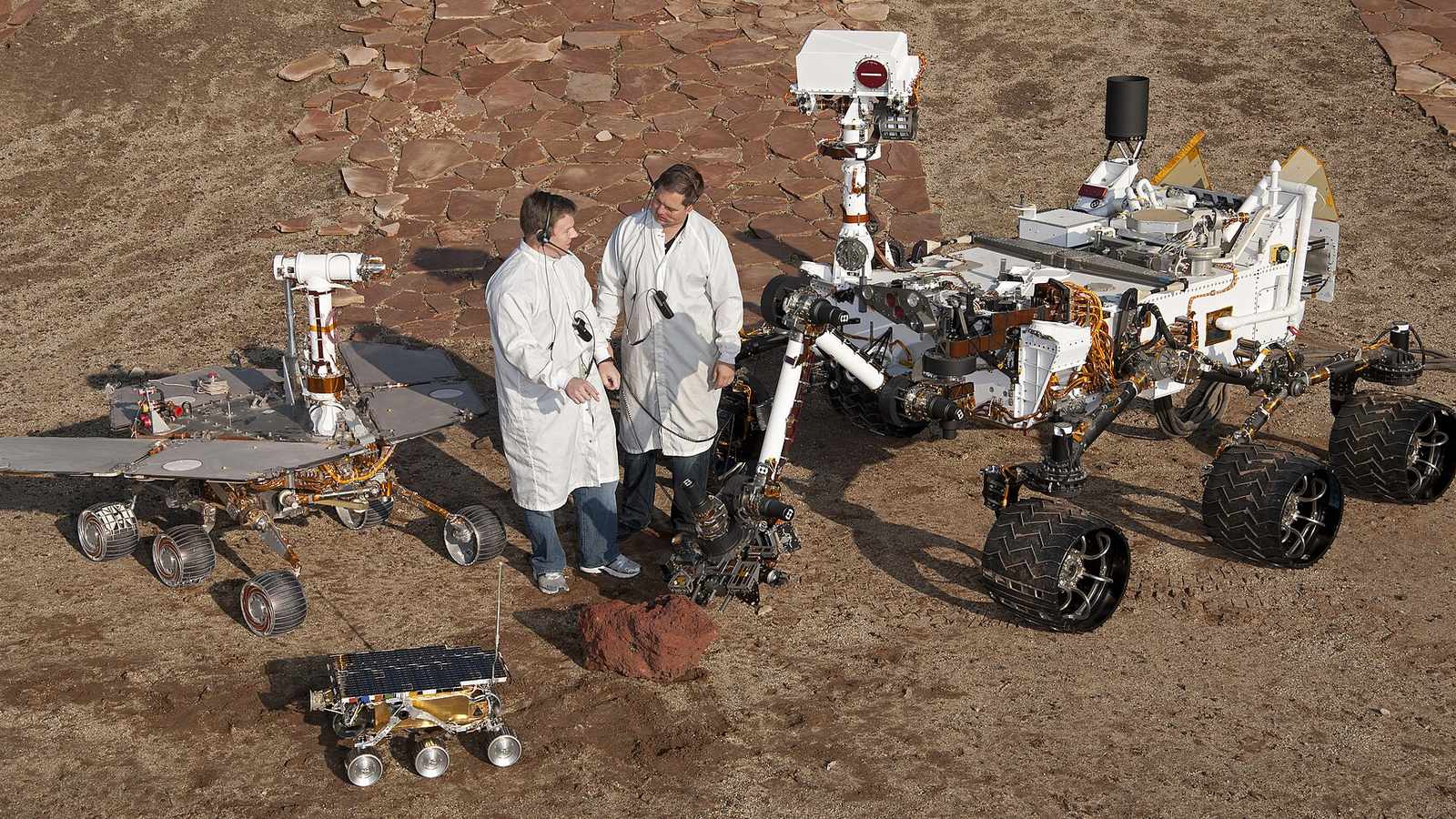 How many rovers are on Mars?Two rovers are working on Mars today, Curiosity and Perseverance. Six have driven there in all, and two more reached the planet without ever driving.
 How can you tell if an AI-written article is accurate?Check it claim by claim. Open the cited source, find the passage that backs the claim, and check its date. Here is why that works and what the research found.